by Sudhirahluwalia, Inc | Jun 16, 2020 | Remedies and medicine
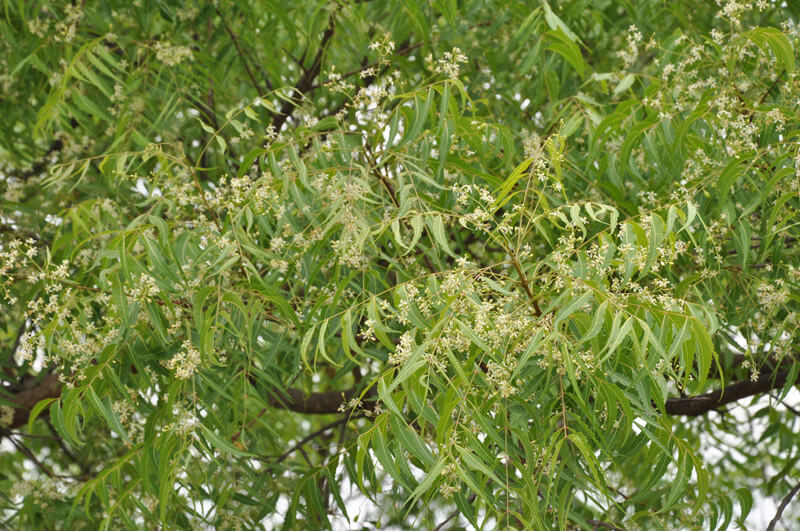
The tree is famous for its medicinal properties. The earliest archaeological reference available on neem is seen on pottery from the Indus Valley Civilization (2600-1800 BC) period. In Sanskrit, neem is called “arista,” meaning “perfect, complete, and imperishable.”...
by Sudhirahluwalia, Inc | Jun 12, 2020 | Remedies and medicine
References to black seed’s medicinal properties go back to the days of Prophet Mohammed and earlier. The herb’s medicinal properties have been mentioned as miraculous in the Koran and other ancient texts. Let me present the scientific evidence in support of the...
by Sudhirahluwalia, Inc | Jun 11, 2020 | Remedies and medicine
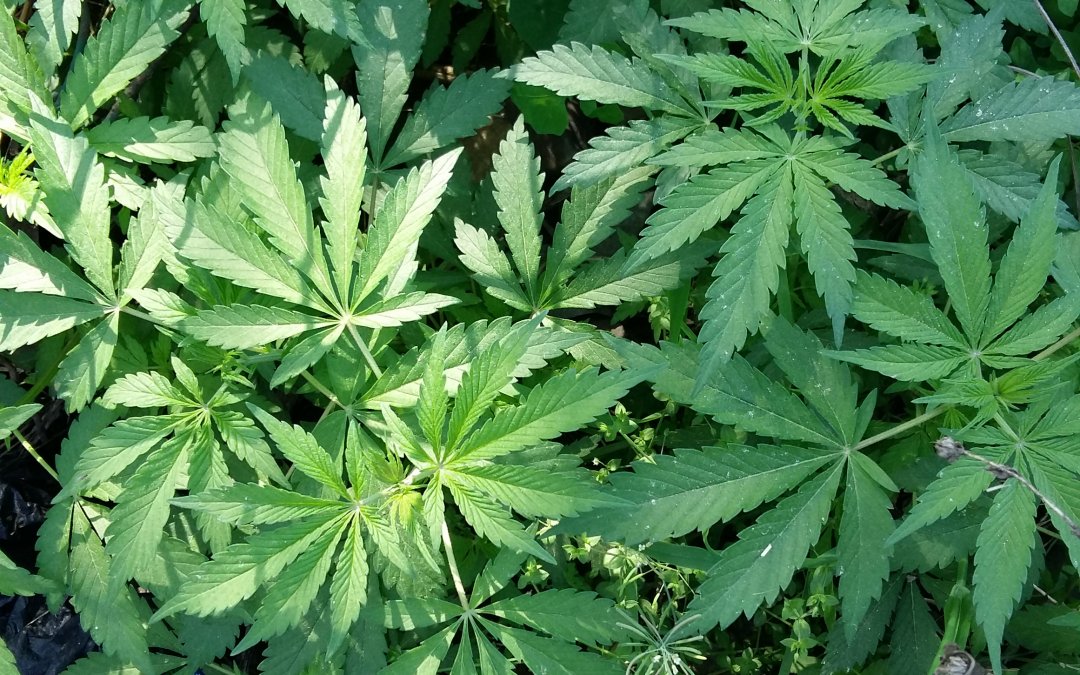
Feature photo: Cannabis indica plant growing wild on roadsides in North India Marijuana herb’s scientific facts dispel much misinformation floating around the plant. The hemp plant—Cannabis sativa—leaves, flowers, stem, and seed is more in the news for its use...
by Sudhirahluwalia, Inc | Jun 10, 2020 | Food and Nutrition
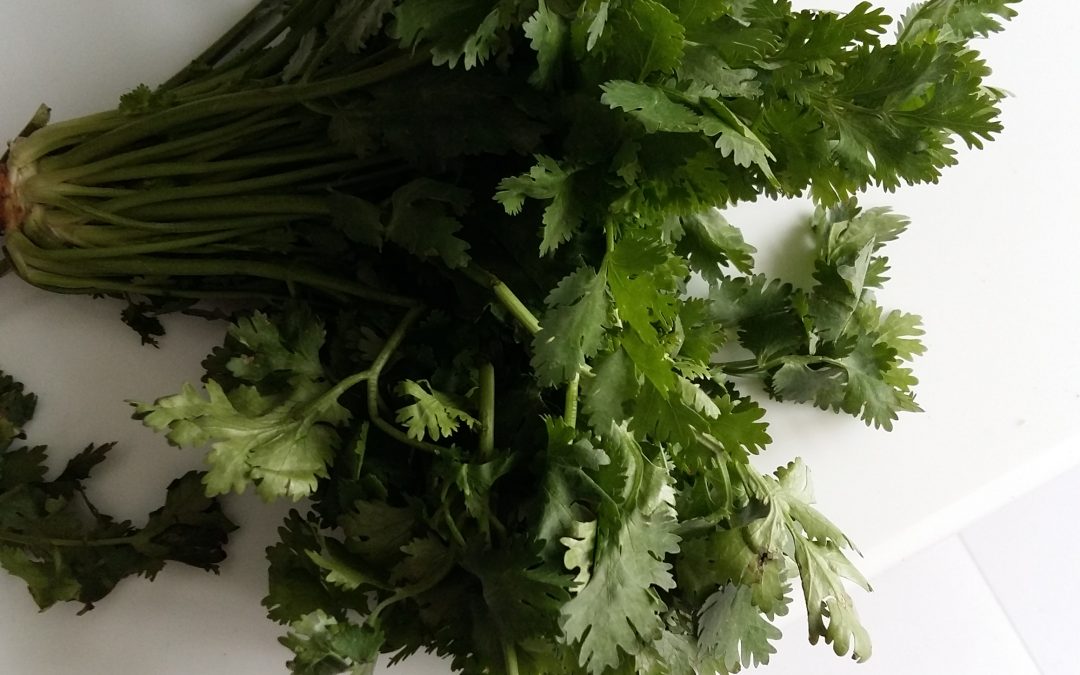
Coriandrum sativum (coriander) belongs to the Apiaceae family. The characteristic smell of the green plant is caused by aldehydic compounds (terpenes, linalool, and pinene). The leaves and seeds are rich in calcium, magnesium, manganese, iron, and vitamin C. Its...
by Sudhirahluwalia, Inc | Jun 9, 2020 | Biblical herbs
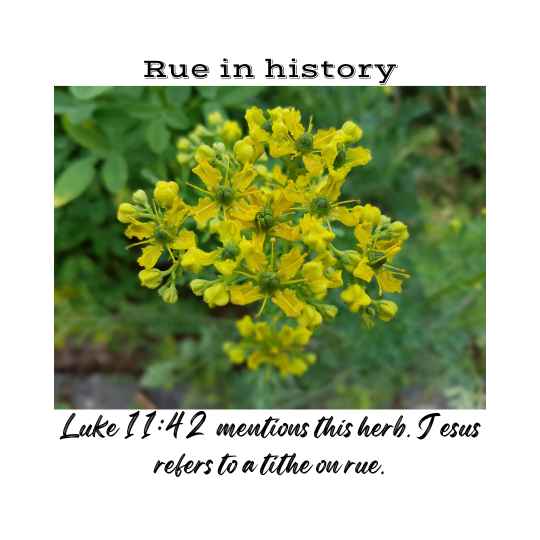
Rue in history is a plant mentioned in the Bible. Luke 11:42 enunciates the importance of this herb in the Palestinian region, as Jesus refers to a tithe on rue. The Talmud describes rue as a kitchen herb that grows in the wild. Cultivation of this herb began later...