by Sudhirahluwalia, Inc | Jun 10, 2020 | Food and Nutrition
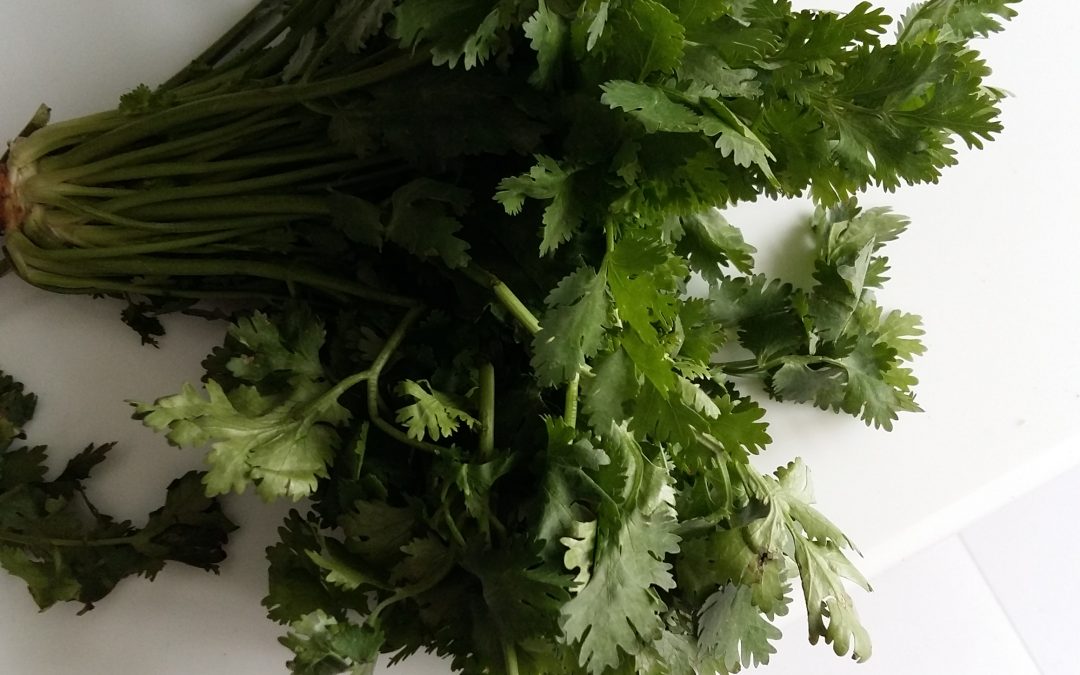
Coriandrum sativum (coriander) belongs to the Apiaceae family. The characteristic smell of the green plant is caused by aldehydic compounds (terpenes, linalool, and pinene). The leaves and seeds are rich in calcium, magnesium, manganese, iron, and vitamin C. Its...
by Sudhirahluwalia, Inc | Jun 9, 2020 | Biblical herbs
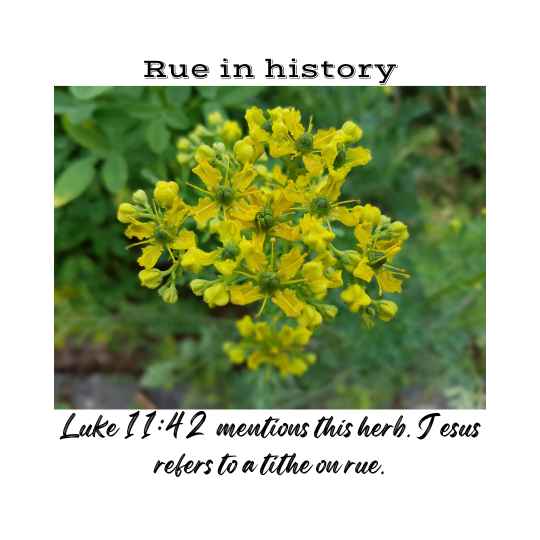
Rue in history is a plant mentioned in the Bible. Luke 11:42 enunciates the importance of this herb in the Palestinian region, as Jesus refers to a tithe on rue. The Talmud describes rue as a kitchen herb that grows in the wild. Cultivation of this herb began later...
by Sudhirahluwalia, Inc | Jun 8, 2020 | Business and technology
Ever since the commencement of the global economic crisis, and now in this COVID 19 pandemic world, India and China are being accused of robbing the US and Europe of jobs, dumping cheap goods, and generally following unfair to developed countries trade practices....
by Sudhirahluwalia, Inc | Jun 5, 2020 | Remedies and medicine
Ginseng comes from the fleshy roots of perennial slow-growing plants belonging to 11 different species and two different genera. There are three popular varieties—Asian, American, and Siberian. Asian or Korean ginseng is the oldest. The most famous and commonly found...
by Sudhirahluwalia, Inc | Jun 4, 2020 | Biblical herbs
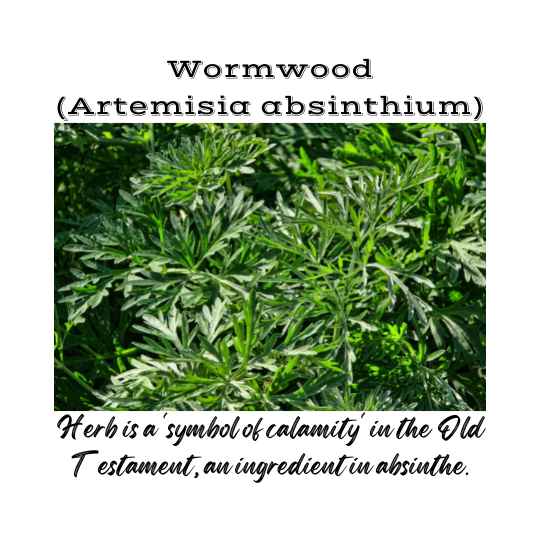
Wormwood’s history is linked to its references in the Bible. Its botanical name is Artemisia absinthium. This herbaceous perennial plant can grow to two to four feet. It has silvery-white leaves and stems and a bitter taste. It is widely distributed in the...
by Sudhirahluwalia, Inc | Jun 3, 2020 | Biblical herbs
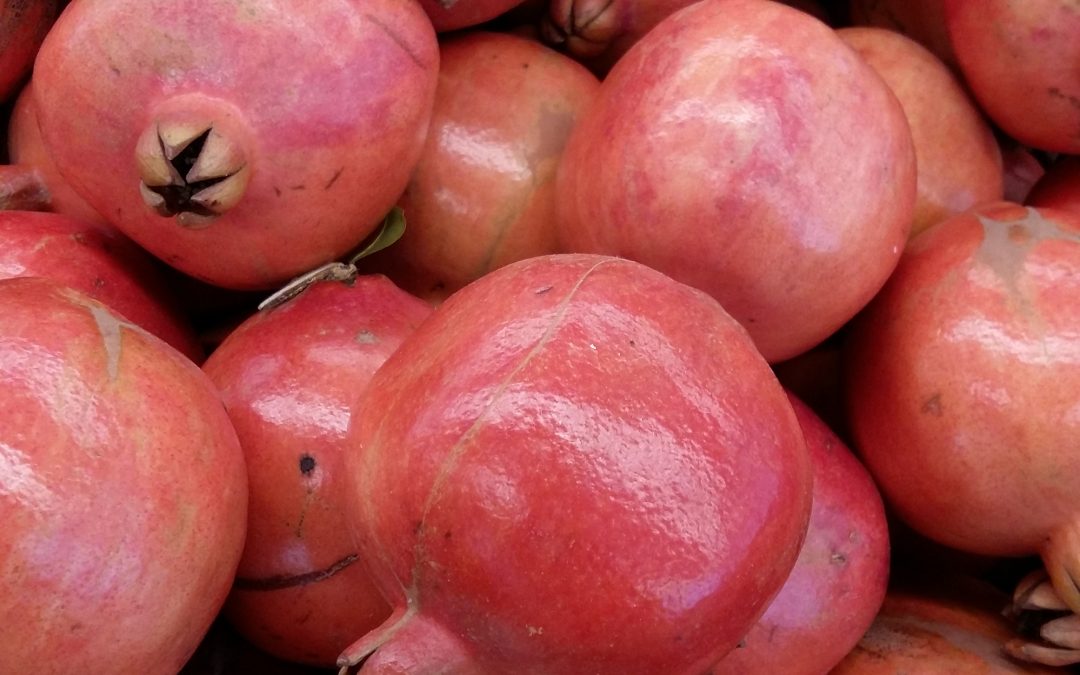
Feature photo: Pomegranate fruit Photo: Sudhir Ahluwalia Punica granatum, or pomegranate, is a small tree. The plant finds mentioned in the Bible indicate the importance given to this plant since ancient times. The fruit contains acids, sugars, vitamins,...
