by Sudhirahluwalia, Inc | Nov 20, 2015 | Biblical herbs
Myrrh aromatic gum is one of the four herb ingredients in the Holy Anointing Oil. Myrrh resin exudes from the stems and branches of more than 150 species in the Commiphora genus of the Burseraceae family (e.g., Commiphora myrrha, Commiphora molmol, Commiphora...
by Sudhirahluwalia, Inc | Nov 20, 2015 | Business and technology
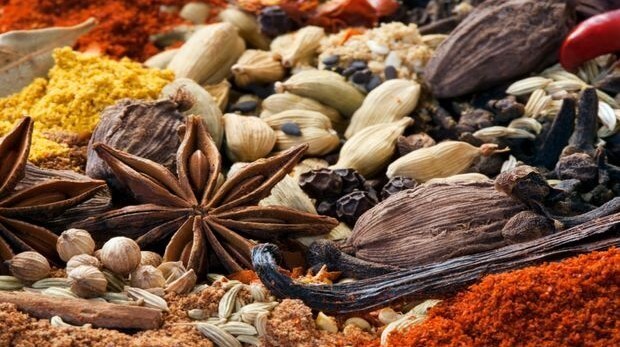
Ingredient sourcing is a critical process in the business of herbs and spices. India is one of the leading producers of herbs, spices, and agricultural commodities. Pepper, cardamom, soybean, scented rice, wheat, and nutraceutical ingredients in semi-processed or...
by Sudhirahluwalia, Inc | Nov 16, 2015 | Remedies and medicine
Healing herbs have been in use since the earliest of times. There are extensive references to herbs in religious texts. Rock paintings in France, India, and other parts show prehistoric humans interacting with nature. These paintings from the Stone Age date from 30000...
by Sudhirahluwalia, Inc | Nov 2, 2015 | Food and Nutrition
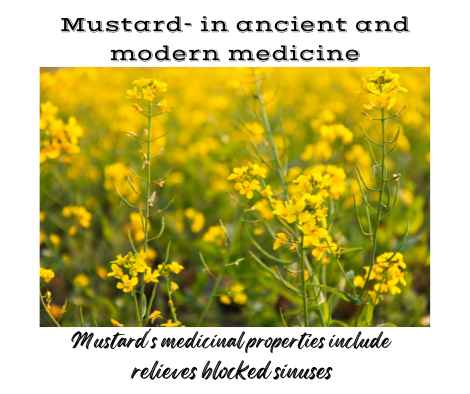
Mustard – In ancient and modern medicine There are three species of mustard consumed by humans. White mustard (Brassica alba) is the mildest of the three. The other two species are Brassica juncea and Brassica nigra. Another species, Brassica campestris,...
by Sudhirahluwalia, Inc | Oct 26, 2015 | Food and Nutrition
Brassica alba (white mustard) is the mildest of the three popular mustard types – white, yellow and black consumed today. The plant is a native to the Mediterranean region and Crimea. It is an introduced species in Europe, Asia, the Americas and the Australian...
by Sudhirahluwalia, Inc | Oct 19, 2015 | Biblical herbs
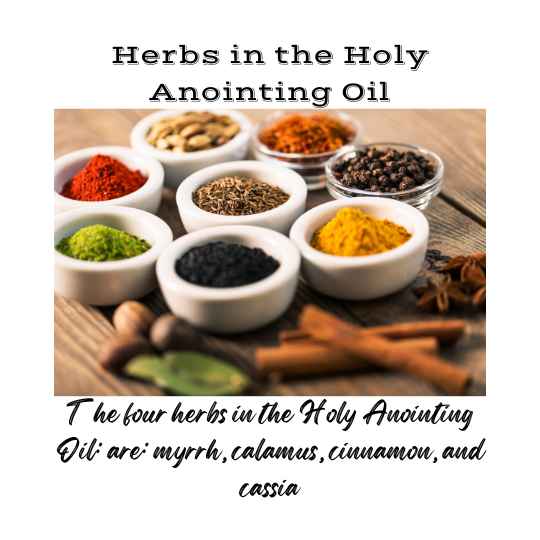
Herbs and spices had religious significance. The Bible describes rubbing Jesus’ body with herbs and spices: “Taking Jesus’ body, the two of them wrapped it, with the spices, in strips of linen. This was per Jewish burial customs” (John 19:40). Herbs were used in...
