by Sudhirahluwalia, Inc | Nov 4, 2016 | Biblical herbs
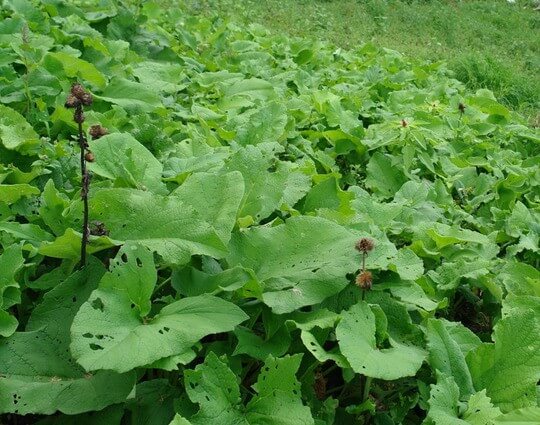
Costus comes from the root of plants in the Saussurea genus that grow in the higher Himalayas in Asia, Tibet, and China. The name costus means “coming from the East” in Greek. The rhizome is cut, dried, and exported. Costus is rich in resinoids, inulin, alkaloids,...
by Sudhirahluwalia, Inc | Oct 28, 2016 | Biblical herbs
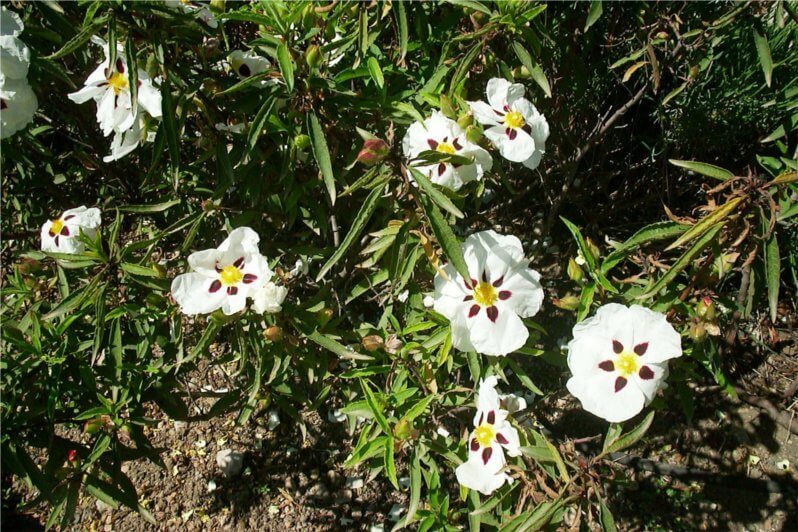
Labdanum, which the Arabs call ladanum, is procured in a stranger fashion. Found in the most odorous place, it is the sweetest-scented of all substances. It is gathered from the beards of he-goats, which are found sticking like gum, having come from the bushes on...
by Sudhirahluwalia, Inc | Oct 14, 2016 | Biblical herbs
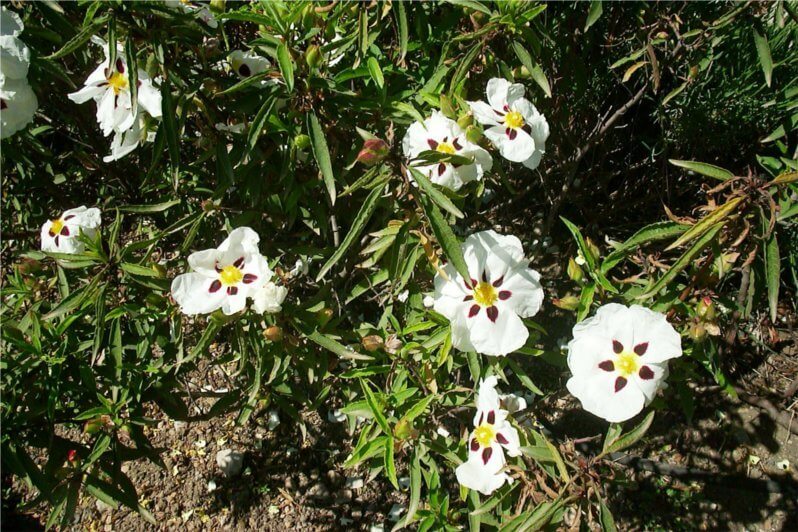
Feature photo: From Floriana Onycha incense is surmised to come from one of the four herbs mentioned in the Old Testament (Exodus 30:34) and is an ingredient of Ketoret. Like many other herbs and spices mentioned during Biblical times, the origin of onycha is shrouded...
by Sudhirahluwalia, Inc | Oct 7, 2016 | Biblical herbs
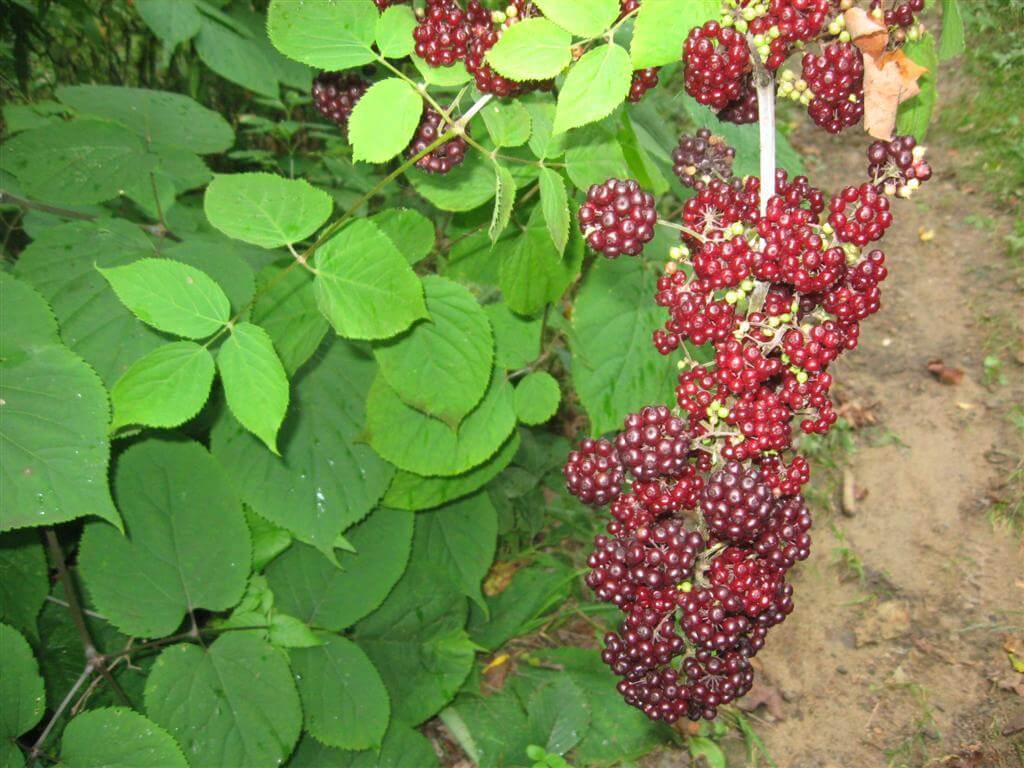
Feature photo: Spikenard- www.drewmonkman.com The use of spikenard in medicine has been known to man since Biblical times and beyond. Efforts to artificially propagate the species have shown mixed results because it is not economically attractive for collectors to...
by Sudhirahluwalia, Inc | Sep 30, 2016 | Biblical herbs
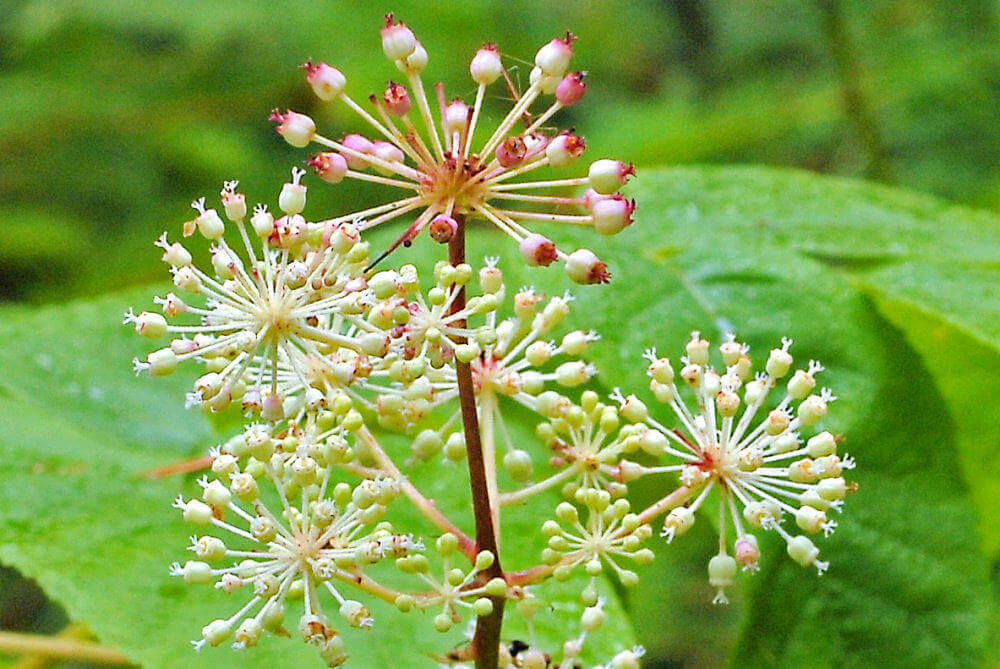
Feature photo: www.essentialoilsinformer.com Nardostachys jatamansi (common name spikenard) is a flowering herb found in the Himalayan region at altitudes of 3000–5000 meters. The plant grows to a height of one meter and has bell-shaped pink flowers. The rhizomes are...
by Sudhirahluwalia, Inc | Sep 23, 2016 | Biblical herbs
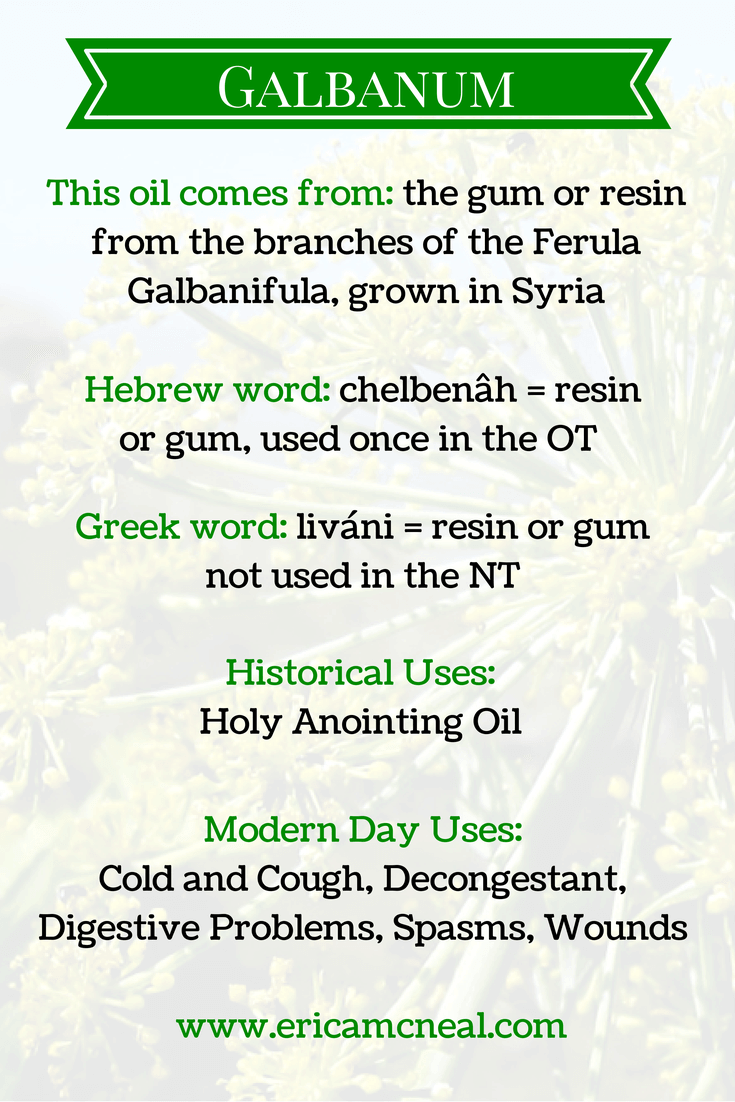
Photo: www.ericamcneal.com Galbanum trade has been going on since the old and new Testaments. It was sourced largely from Mesopotamia and Turkey. Today, these countries continue to be major producers. Galbanum is not known to grow in Israel, and the Israeli...
