by Sudhirahluwalia, Inc | Jun 21, 2021 | Biblical herbs
Commentators on the Bible list out 21, others 27 verses that they believe refer to cancer and healing. I think the closest reference to cancer can be seen in Isaiah 38:21 – “For Isaiah had said, Let them take a lump of figs, and lay it for a plaister upon the...

by Sudhirahluwalia, Inc | Apr 29, 2021 | Biblical herbs
Cinnamon and cassia have similar aromatic properties, but they differ in flavor, eugenol content, and look and texture of the bark. Cinnamon is milder, with less eugenol and a thinner, light-colored bark. Cinnamon and cassia references in the Bible The Bible...
by Sudhirahluwalia, Inc | Mar 25, 2021 | Biblical herbs
Myrrh resin is the aromatic gum that exudes from the stems and branches of more than 150 species in the Commiphora genus of the Burseraceae family (e.g., Commiphora myrrha, Commiphora molmol, Commiphora gileadensis). These rare species today are distributed across...
by Sudhirahluwalia, Inc | Dec 29, 2020 | Biblical herbs
The plant has been used as medicine across all herbal medicinal systems. Traditionally, the species is used for stomach cramps, flatulence, respiratory ailments, blood disorders, heart diseases, and as an aphrodisiac. It is a folk remedy for headaches and colds and...
by Sudhirahluwalia, Inc | Oct 14, 2020 | Biblical herbs
Nardostachys jatamansi is the botanical name of nard mentioned in the Bible. In biblical times, nard (also known as spikenard) was considered a valuable and fragrant oil, often used in perfumes and ointments. It was also used in religious ceremonies as a symbol of...
by Sudhirahluwalia, Inc | Sep 28, 2020 | Biblical herbs
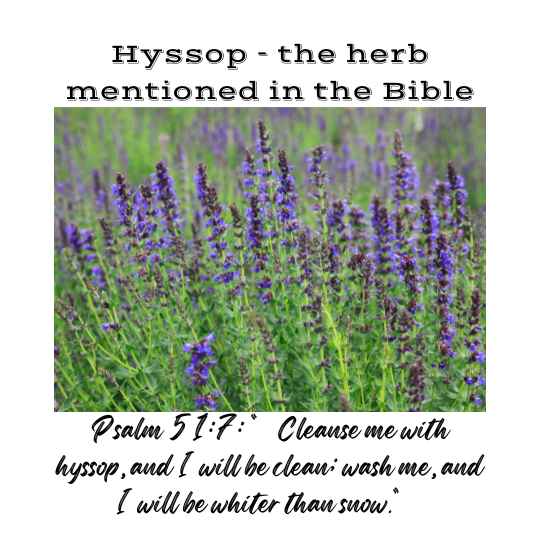
As with other Biblical plants, the botanical source of hyssop is shrouded in debate. The Bible mentions hyssop many times (Leviticus 14:1–7). A brush made of hyssop branches was used to mark the houses of the Jews with lamb’s blood to protect them from the impending...
